

HISTORIC BLACK VEGAS: Take a closer look at Dr. King
February 14, 2026 by agutting@reviewjournal.com
Filed under Community
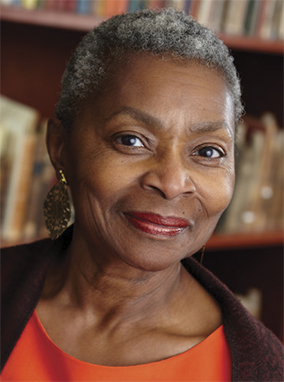
BY CLAYTEE D. WHITE
For many people — especially younger generations who did not witness the searing images of water hoses, police dogs, and long nights in jail — Dr. Martin Luther King, Jr. is most often remembered as a powerful orator. His soaring speeches remain etched in history. Yet beyond the iconic moments lies a lifetime of courageous action, strategic leadership, and collective struggle.
Let’s reflect on key moments, campaigns, and courageous figures connected to Dr. King and the broader Civil Rights Movement — so that we remember his words and his work.
- Dr. King entered the movement shortly after arriving in Montgomery, Alabama. In 1955, he was selected to lead Black citizens in what became the historic Montgomery Bus Boycott, which lasted over a year and reshaped America’s understanding of grassroots power. Alongside King, figures such as Claudette Colvin, Rosa Parks, Jo Ann Robinson, and Virginia Durr played vital roles in organizing and sustaining the effort.
- In 1963, while leading the Birmingham Campaign to desegregate one of the most segregated cities in the South, King penned what would become one of the most influential essays of the 20th century: “Letter from Birmingham Jail.” Written from a jail cell, the letter was a direct response to those who urged patience over protest, reminding the nation why justice delayed is justice denied. The Birmingham campaign also exposed the brutal use of children in demonstrations, church bombings, and violent police tactics — images that helped galvanize public support for the Civil Rights Act of 1964.
- Later that same year, the world watched as hundreds of thousands gathered for the March on Washington for Jobs and Freedom. While King’s “I Have a Dream” speech became the defining moment, the march itself was the result of tireless organizing by leaders such as Bayard Rustin, A. Philip Randolph, John Lewis, James Farmer, and Mahalia Jackson. The often-overlooked role of women, including Myrlie Evers, and the follow-up gathering the next day — “After the March-What?” — highlighted the ongoing fight beyond the spotlight.
- In 1964, at just 35 years old, Dr. King became the youngest recipient at the time of the Nobel Peace Prize, recognized globally for his commitment to nonviolent resistance and human dignity.
- The fight for voting rights reached a dramatic turning point in 1965 with the Selma-to-Montgomery marches. On March 7 — now remembered as Bloody Sunday — marchers led by John Lewis and Hosea Williams were brutally attacked by state troopers on the Edmund Pettus Bridge. Two weeks later, Dr. King led a peaceful, 54-mile march that culminated in Montgomery and helped pave the way for the passage of the Voting Rights Act of 1965. The movement came at a tragic cost, with the deaths of Jimmie Lee Jackson, Rev. James Reeb, Viola Liuzzo, and Jonathan Daniels.
- Dr. King’s life was cut short on April 4, 1968, when he was assassinated at the Lorraine Motel in Memphis, Tennessee, at just 39 years old. At the time of his death, his focus had expanded to include economic justice and the plight of the poor, underscoring his belief that civil rights and human rights were inseparable.
The Civil Rights Movement, however, neither began nor ended with Dr. King. It was fueled by countless acts of courage and resistance: the 1960 Greensboro sit-ins by students from North Carolina A&T; Ella Baker’s efforts to organize young leaders across Black colleges; the lynching of Emmett Till; the Freedom Rides; the bravery of the Little Rock Nine; the activism — and assassination — of Medgar Evers; Mississippi Freedom Summer; school integration and busing; and the ongoing fight for fair housing.
These stories, and so many more, remind us that history is not just something we inherit — it is something we are responsible for understanding, preserving, and continuing. Taking a closer look at Dr. King means also honoring the movement that carried him, and the countless unnamed individuals whose courage helped bend the arc of the nation toward justice.