

HEALTHIER YOU: Knowledge is power in understanding birth defects
March 18, 2026 by agutting@reviewjournal.com
Filed under Health
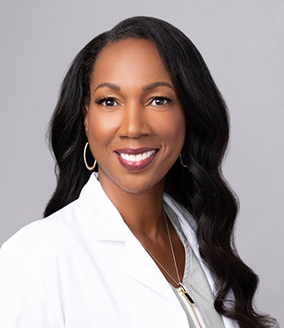
BY DR. MARGUERITE BRATHWAITE OB-GYN
For many expectant mothers, pregnancy is a time filled with hope, excitement, and heartfelt prayers for a healthy child. While most pregnancies result in healthy births, it is important to acknowledge and understand the realities surrounding birth defects — a challenge that affects thousands of families each year.
Birth defects are physical or biochemical changes that are present at birth. They can affect nearly any part of the body and may interfere with how the body develops or functions. Some birth defects are mild and manageable, while others can be serious and require ongoing medical care. Understanding what they are — and what may contribute to them — empowers families to take proactive steps toward prevention and early detection.
Birth defects can develop at any point during pregnancy, but many occur during the first trimester — the first three months — when a baby’s organs are forming. This is a critical period of development. However, defects can also occur later in pregnancy while the baby’s organs continue to grow and mature.
Early prenatal care plays a vital role in identifying potential concerns. Advances in screening and diagnostic testing allow many conditions to be detected before birth, giving families and healthcare providers valuable time to prepare and plan.
While not all birth defects can be prevented, certain risk factors may increase the likelihood of occurrence:
● Genetic or Chromosomal Changes. Some birth defects are caused by changes in a baby’s genes (mutations) or chromosomes. These changes may be inherited or occur randomly during development.
● Environmental Exposures. A mother’s environment includes everything she encounters in daily life. Exposure to harmful substances — such as cigarette smoke, toxic chemicals, or radiation — can increase risks during pregnancy.
● Preexisting Health Conditions. Certain maternal health conditions, including diabetes and other chronic illnesses, may raise the risk of birth defects if not properly managed before and during pregnancy.
● Medications. Some medications taken before or during pregnancy can pose risks. For example, drugs such as isotretinoin are known to increase the likelihood of serious birth defects. It is essential to consult a healthcare provider before starting or stopping any medication while pregnant.
● Substance Use. Smoking, drinking alcohol, or using street drugs during pregnancy can significantly increase the risk of birth defects and other complications. Avoiding these substances is one of the most important steps an expectant mother can take.
● Infections. Certain viral or bacterial infections during pregnancy can impact fetal development. Staying current on recommended vaccinations and practicing preventive health measures can reduce this risk.
● Maternal Age. Women who are pregnant after the age of 34 may face a higher risk of chromosomal abnormalities and certain birth defects. While many women in this age group deliver healthy babies, additional monitoring is often recommended.
Knowledge is one of the strongest tools in promoting healthy pregnancies. Regular prenatal visits, proper nutrition, taking prenatal vitamins with folic acid, managing chronic conditions, and maintaining open communication with healthcare providers can significantly reduce risks.
Healthcare providers play a critical role in supporting expectant mothers through education, screening, and personalized care plans. Early detection allows families to access specialists, explore treatment options, and prepare emotionally and medically for any challenges ahead.
Every pregnancy journey is unique. With the right support, education, and medical guidance, families can face the realities of birth defects with strength, knowledge, and hope.
Women’s Innovative Care is dedicated to supporting healthy pregnancies and identifying potential complications as early as possible. Through compassionate care and advanced screening services, the team works closely with mothers-to-be to ensure the best possible outcomes. If you have questions or concerns about your pregnancy, consider scheduling an appointment by calling (702) 413-7740 or visiting 851 South Rampart Blvd., Suite 160, Las Vegas, NV