

HEALTHIER YOU: Catch it EARLY
October 20, 2026 by agutting@reviewjournal.com
Filed under Health
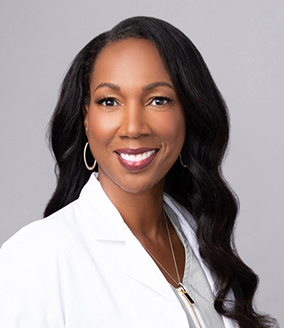
BY DR. MARGUERITE BRATHWAITE OB-GYN
October is Breast Cancer Awareness Month — a time to increase awareness, encourage early detection, and remind women of the importance of taking an active role in their breast health.
For Black women, breast cancer remains an especially urgent health concern. While there are many factors that influence a breast cancer diagnosis and a woman’s chances of survival, race continues to be an important factor in the outcomes experienced by Black women.
Black women have a higher breast cancer mortality rate than White women, and the disparity cannot be attributed solely to genetic differences. It is also connected to longstanding inequities in healthcare, including differences in access to quality medical care, cancer screenings, treatment, education, and other resources.
According to the American Cancer Society:
- Black people are more likely to die from most cancers and have the shortest survival following a cancer diagnosis compared with other racial and ethnic groups.
- Racial disparities in cancer outcomes are largely driven by decades of structural racism and inequities in healthcare.
- Black women are about 40% more likely to die from breast cancer than White women, despite having similar or lower breast cancer incidence rates.
- Black women have lower overall five-year survival rates than White women at every stage of breast cancer diagnosis.
- Approximately 82% of Black women survive at least five years following an initial breast cancer diagnosis, compared with approximately 92% of White women.
- Black women are more likely to develop triple-negative breast cancer, an aggressive form of the disease that can be more difficult to treat. Black women are about twice as likely as White women to be diagnosed with triple-negative breast cancer.
These statistics are sobering, but they also underscore an important message: early detection matters.
FOR THOSE DIAGNOSED OR AT RISK: WHAT WE CAN DO
Be your own advocate. Learn as much as you can about breast cancer, your individual risk factors, prevention, screening, and treatment options. Ask questions and make sure your concerns are heard.
Know your breasts. Become familiar with how your breasts normally look and feel. Report any unusual changes—such as a lump, swelling, skin changes, nipple changes, or unusual discharge—to your healthcare provider. While routine breast self-exams are not a substitute for recommended screening, knowing what is normal for you can help you recognize changes.
Get screened. Mammography remains an important tool for detecting breast cancer, sometimes before symptoms appear. Talk with your healthcare provider about when you should begin mammograms and how often you should be screened based on your age, family history, and personal risk factors.
Know your family history. Talk with relatives about your family’s history of breast and other cancers. Knowing whether close relatives have been diagnosed with breast cancer or other cancers can help your healthcare provider determine whether you may be at increased risk.
Seek support. A breast cancer diagnosis can be physically and emotionally challenging. Support groups and cancer support organizations can provide information, encouragement, practical resources, and a community of people who understand what you may be experiencing.
EARLY DETECTION CAN MAKE A DIFFERENCE
Breast Cancer Awareness Month is more than wearing pink. It is about taking action. Schedule your recommended screenings, know your risk, understand your family history, and talk with your healthcare provider about any concerns.
For women who have been diagnosed with breast cancer, remember that you do not have to face the journey alone. Seek the medical care, information, and support you need.
Catch it early. Get informed. Get screened. Take charge of your health.
Women’s Innovative Care is committed to supporting healthy pregnancies and identifying potential health complications. Through compassionate care and advanced screening services, the team works closely with patients to promote the best possible health outcomes. For questions or concerns about your breast health or overall health, call (702) 413-7740 or visit: 851 South Rampart Blvd., Suite 160, Las Vegas, NV